Posture is not aesthetic, and it is not about comfort. It is a control surface for your inner state, equal in leverage to breath and far more underrated. The geometry of your spine, chest, and head over the column decides which states you can even access. Collapse the structure and certain states close. Restore the structure and they re-open within a few breaths.
Across the consulting cases where clients describe a meditation practice that has stopped delivering, the first thing I look at is not the technique. It is the posture. In nearly every case the practice was correct on paper but the body was running it in a slumped chair, a folded spine, or a forced rigid hold that cut blood to the legs. The technique was fine. The container was wrong, so the technique had nothing to operate on.
This is why every contemplative tradition — Vedic, Sufi, Daoist, Hesychast — codified a specific sitting posture before anything else. Not as ritual decoration. Because the geometry sets the available bandwidth. This article maps the mechanism, the posture-state pairings you can learn to read on yourself, the minimum-viable correct sitting posture, and a three-minute reset that uses posture alone to break a scattered or anxious state.
The spine as a vertical conductor — why posture decides which states are accessible
Inner state and posture are bidirectional. Inner state shapes posture — anxiety collapses the chest, grief drops the head, scatter pulls the spine off-axis. Posture shapes inner state in return — a stacked spine, an open chest, and a head balanced over the column produce a settled-alert state the slumped body cannot host. Both directions are real. Either can be the entry point.
The mechanism is plain once you see it. The vagus nerve, which governs the calm-alert branch of your autonomic system, runs the length of the spinal column and the front of the body. When the spine is stacked and the chest is open without flare, vagal tone is supported. When the spine collapses and the chest closes, vagal tone is suppressed. Your nervous system reads the geometry before you do.
Breath capacity follows the same rule. A collapsed thoracic cage reduces inhale volume by twenty to thirty percent. Less breath means less interoceptive accuracy — the inner sense by which you read your own state. A practitioner sitting in a folded posture is partially blind to the very signals the practice is supposed to refine.
When we map this against HSTF, posture sits at L3 — the configure-state level, where you choose which inner climate you operate from. L3 is the level at which posture, breath, and attention act as control surfaces in the same way a pilot uses three instruments to fly a plane. They are not separate disciplines. They are three handles on the same dashboard. Collapse the posture handle and the other two have less to work with.
The field architecture of the practitioner follows the body's architecture. A scattered, collapsed body produces a scattered, collapsed field. A stacked, settled body produces a field that can hold something. This is the structural reason traditions codified posture first — and the reason a correct posture is the cheapest, fastest leverage point most practitioners ignore.
The four posture-state pairings — read your own body
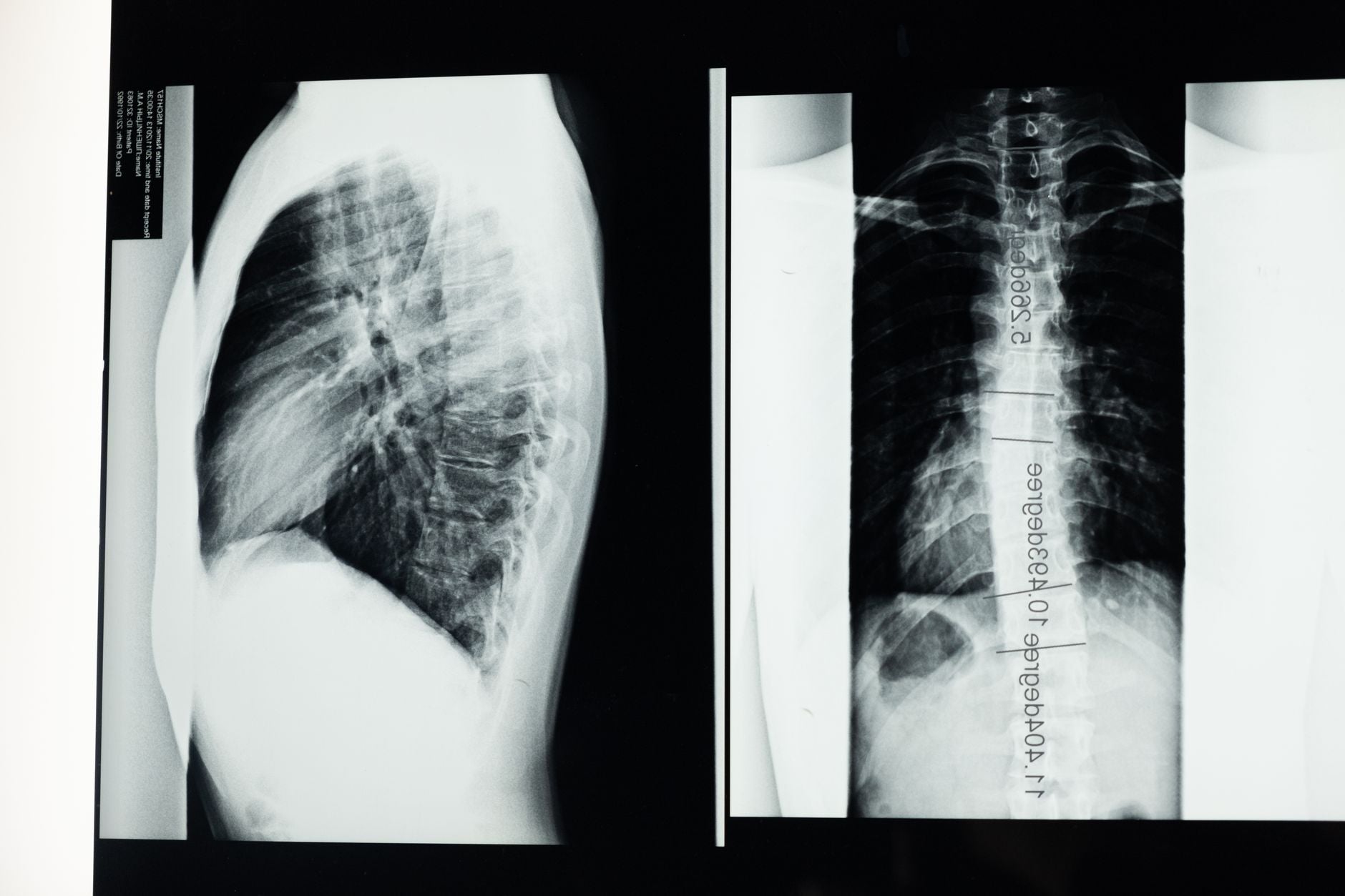
Once you know what to look for, the body becomes a state report you can read in real time. Four pairings recur most often.
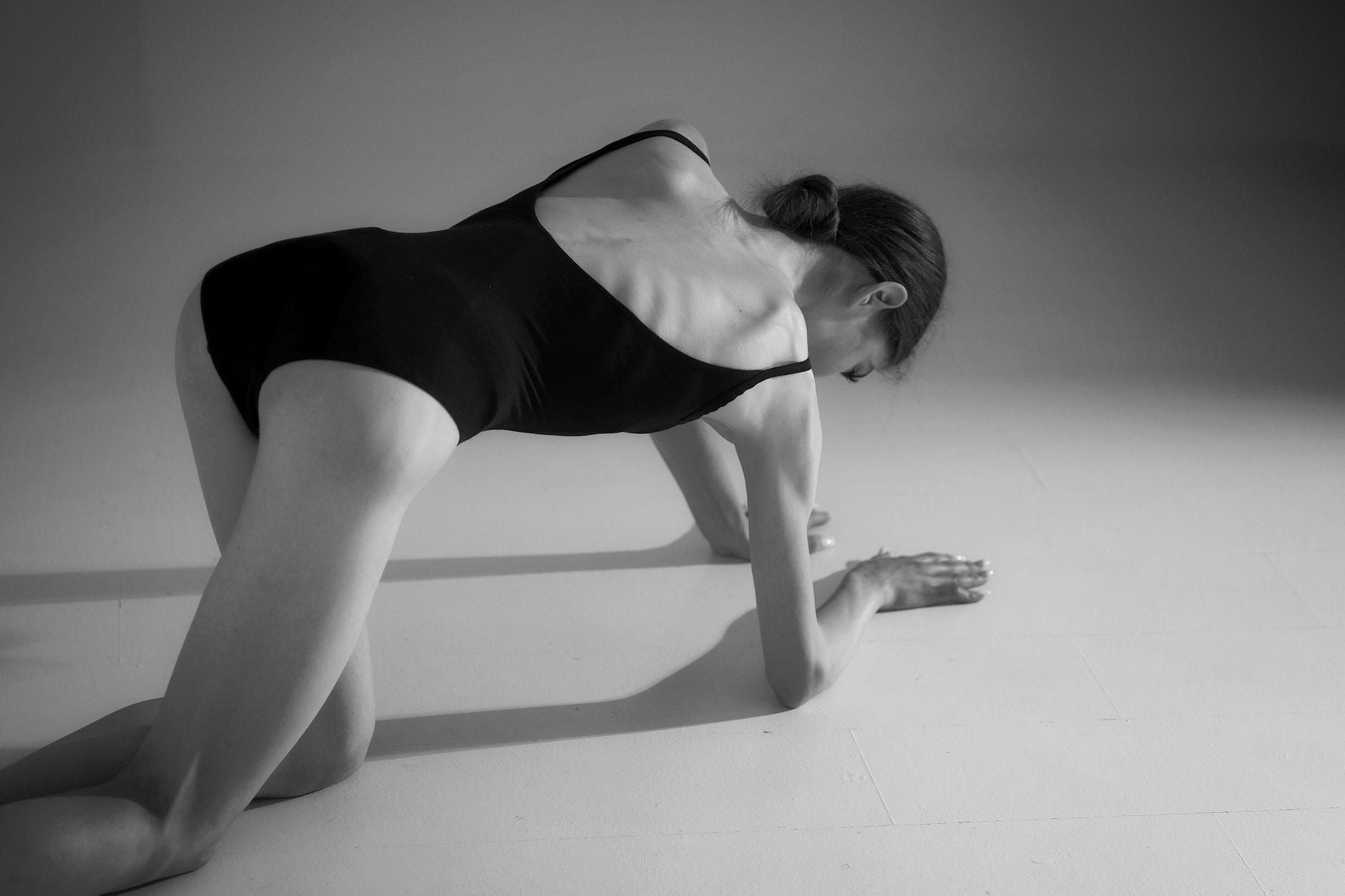
1. Slumped and folded — scattered, heavy thoughts. Chest collapsed, sternum sunk, head pushed forward of the column, spine in a soft C. The inner state that pairs with this geometry is heavy, low-frequency, and scattered. Thoughts loop. Motivation drops. Meditation from this posture turns into rumination wearing a meditation costume. The body is signaling fatigue or low arousal to the nervous system, and the nervous system honors the signal.
2. Locked and rigid — anxious vigilance, force-state. Chest lifted with the front ribs flared, lower back arched, shoulders pinned back, jaw clenched, eyes fixed. This looks like good posture from a distance. It is force-posture. The state that pairs with it is anxious vigilance — a body braced for a threat, trying to perform stillness while running a sympathetic-dominant nervous system. Practice from here produces fatigue and subtle agitation, not settling.
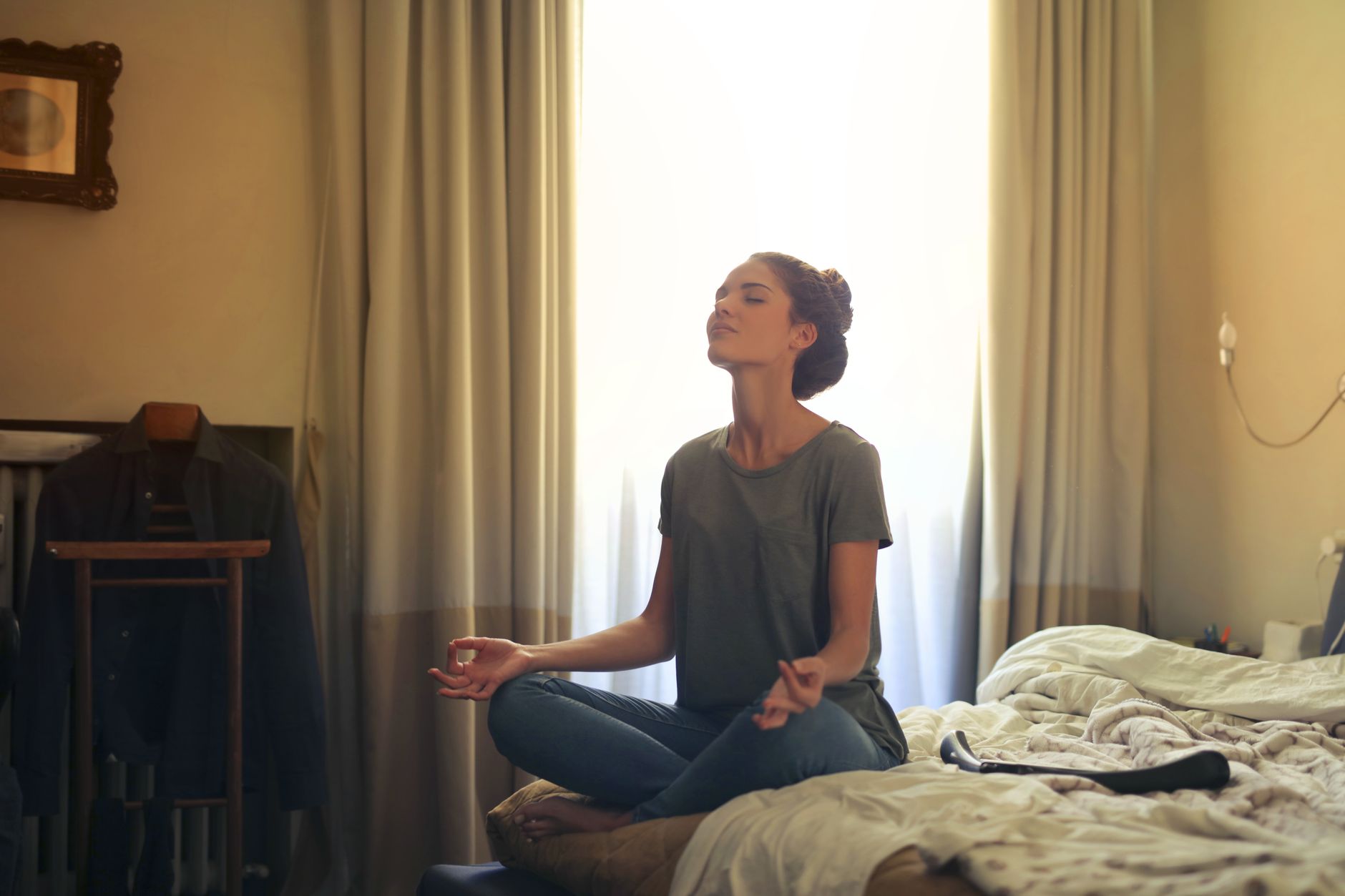
3. True axial — settled-alert. Sitting bones grounded, sacrum neutral, spine stacked without effort, chest open without flare, head balanced over the column, jaw soft, eyes soft. This geometry pairs with the state contemplative traditions call settled-alert — awake without arousal, settled without dullness. It is the only posture in which sustained inner work proceeds cleanly.
4. Asymmetrical — split attention, partial presence. One hip higher than the other, one shoulder forward, head tilted. The state that pairs with asymmetry is split attention. Part of the body is doing one thing, part another, and the inner state mirrors that split. Practitioners often spend years in asymmetrical posture without noticing because they have adapted to it. The state always reports it.
The diagnostic is to scan your own body before any sitting practice. Name which of the four you are in. The naming itself often shifts the geometry — the body knows the correct shape, it simply needs the conscious request.
Why posture alone is not enough — and where it is the whole answer
Posture is necessary, not sufficient. A correct posture in a depleted body produces a settled-alert state for a short window, then the depletion takes back over. A correct posture in a body carrying unresolved field interference produces a settled-alert state that breaks the moment the interference activates. Posture sets the container. It does not fill it.
That said, in a surprising number of cases, posture alone is the missing piece. Practitioners arrive convinced their technique is broken when in fact their geometry is closing the bandwidth their technique needs. Fix the posture and the same technique works that night. Breath, the sibling control surface, works for the same reason — it is a geometry of pressure and flow that the body reads as a state instruction. Posture is the geometry of structure. Breath is the geometry of flow. Together they cover most of the L3 dashboard.
The minimum-viable correct sitting posture — six cues and a three-minute reset
The posture below is not Lotus, not Half-Lotus, not a specific tradition's hold. It is the underlying geometry every working tradition converges on, written in plain language. Sit in a chair, on a cushion, or cross-legged on a floor — the geometry transfers.
- Sitting bones grounded. Find the two bone points at the base of your pelvis. Put your weight on them, not on the soft tissue behind them. This single cue corrects half of slumping by itself.
- Sacrum neutral. Neither tucked under nor arched out. The lower back is neither flat nor sharply curved. Imagine the base of the spine pointing straight down through the sitting bones.
- Spine stacked, not held. Imagine each vertebra resting on the one below it. The spine is not lifted by muscular effort — it is stacked by gravity, with minimal effort holding it true.
- Chest open without flare. The sternum lifts gently away from the navel. The front ribs do not pop forward. If you put a hand on your lower front ribs, they should stay soft, not jut into your palm.
- Chin micro-tucked. The head is balanced over the column. Tuck the chin a quarter-inch, just enough to lengthen the back of the neck. Most people sit with the head pushed forward of the spine; this cue corrects it.
- Eyes soft, jaw soft, shoulders dropped. The fine muscles around the eyes and jaw are the first to brace under stress. Releasing them signals the nervous system to settle. Shoulders drop away from the ears.
Hold the six cues, breathe normally, and sit. The posture itself is the practice for the first week. Add technique only once the geometry is reliable.
Three-minute reset protocol — use posture to break a scattered or anxious state. When you notice the state is wrong, run this without thinking about it:
- Minute one — restore geometry. Sit. Walk through the six cues in order. Do not start breathing exercises yet. Just rebuild the structure.
- Minute two — slow exhale. Inhale through the nose for four counts. Exhale through the nose for eight counts. The long exhale, delivered through a stacked posture, signals safety to the vagus nerve. Repeat for one minute.
- Minute three — open attention. Drop the breath count. Keep the posture. Let attention rest on the body as a whole. Notice the state. It has usually shifted.
This reset works because posture is the fastest input the nervous system has. Cognition takes minutes to shift a state. Posture and breath together can shift one in under three.
The three common errors and how to spot them
Chest-lifting force-posture. The most common error in serious practitioners. The chest is hauled up by muscular effort, the lower back arches, the front ribs flare. It looks correct. It produces sympathetic activation. Fix: drop the sternum a half-inch and let the front ribs soften into your hand.
Hunched-zen cosplay. The opposite error in casual practitioners. The body imitates a meditation pose seen in a film — head dropped, shoulders rolled forward, eyes closed at a downward angle. The body reads collapse. Fix: rebuild from the sitting bones upward.
Ankle-lock that cuts blood flow. Cross-legged with the feet jammed under the opposite thigh. The legs go numb. The discomfort registers as state distress and contaminates the practice. Fix: sit in a chair, or on a higher cushion, or with the feet uncrossed in front of you. There is no virtue in numb legs.
When the work goes deeper than posture
Practitioners who have rebuilt their posture, run the reset reliably, and still cannot access a settled-alert state are usually carrying something the posture container cannot hold by itself. Old field interference, unresolved ancestral patterns, or invisible ties to people or places run underneath the surface and steal the bandwidth the practice is trying to use.
This is the pattern that brings people to consulting. A spiritual consulting session diagnoses what is actually in the field, identifies the specific pattern blocking the state work, and prescribes a scoped operation when one is needed. The container — your posture, your daily floor, your inner-state stabilization practice — is what makes any further work possible. The operation clears what the container cannot reach alone.
If you want the operational framework that grounds all of this — the L0 through L8 stack within which posture, breath, and inner state operate — the Book of AWE is where it is written down properly. The book carries the same depth this article carries on posture, applied to every other control surface in the stack.
Frequently Asked Questions
Does meditation posture actually matter, or is comfort more important?
Posture matters more than comfort. Comfort matters as a constraint on posture — a position so painful you cannot sit in it for ten minutes is the wrong posture for you right now. Within that constraint, the geometry decides the result. A comfortable slump produces a different state than an awake, settled posture even if both feel pleasant in the first minute. Choose the most correct geometry your body can sustain, then build sustain time gradually.
Can I meditate lying down?
You can, but the geometry is different and the state available is different. Lying down releases the vertical conductor and shifts the body toward sleep-leaning states. It is useful for body-scan practices and for releasing severe tension, but it is not the geometry for state-stabilization or sustained inner work. Use lying-down deliberately, not by default.
Why does my back hurt during meditation?
Three common causes. First, the sacrum is tucked under and the lower back is working to hold the torso upright — fix by grounding the sitting bones and letting the sacrum return to neutral. Second, the front ribs are flared and the back muscles are gripping to compensate — fix by softening the sternum. Third, the body is not used to sustained sitting and the muscles are simply complaining — fix by building sit-time gradually, five minutes added per week.
What is the best posture for beginners?
A firm chair, feet flat on the floor, hands resting on the thighs, the six cues above. The chair removes the leg-flexibility variable so you can focus on the spine, chest, and head. Cross-legged sitting is not a beginner's posture — it requires hip mobility most adults do not have without preparation, and forcing it produces the ankle-lock and pelvic-tuck errors above. Begin in the chair. Move to the floor when the chair posture is reliable.
Can posture alone change my state?
Often, yes, for short windows — minutes to an hour. Restoring axial posture and adding a slow exhale will break a mild anxious or scattered state in under three minutes. Sustained state change requires the posture plus a daily floor of practice plus, in some cases, the deeper field work that posture alone cannot reach. Posture is the fastest lever and the cheapest entry point. It is not the whole stack.
If your sitting practice has stopped delivering, or you have rebuilt your posture and still cannot access a settled-alert state, the layer that needs work is usually below the practice. A spiritual consulting session is the diagnostic intake — we map what is actually in the field, identify the pattern interrupting the state work, and surface whether the situation needs a scoped operation or can be resolved through structured self-practice. Pricing for the intake session and any prescribed solution is shown on the booking page.
For the broader framework — posture, breath, attention, and the rest of the L3 dashboard as one integrated stack — the Book of AWE is the operational entry into the doctrine that grounds this work. Also see where posture fits in a morning practice and why consistency outperforms intensity in any state-stabilization work.
Hydas is a spiritual practitioner with over ten years of fieldwork in consciousness, esotericism, and occultism. Born into spirituality and trained from childhood, he has worked with 250+ counselling clients and 250+ obsession and possession cases, and has documented over 10,000 entities across his case record. He is the author of the HSTF (Hydas Synthetic Triad Framework) doctrine, which structures Hydas's operational approach to spiritual practice. He writes the operational version of practices most schools deliver in soft form.